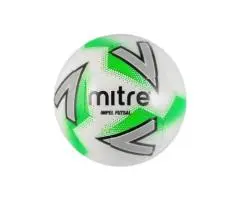
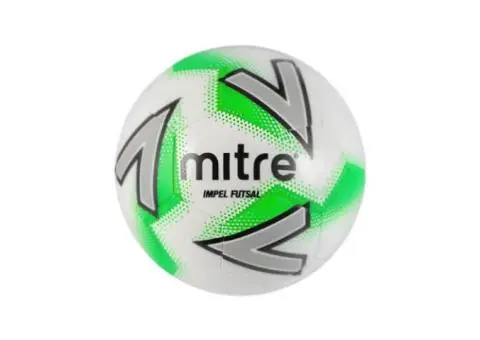
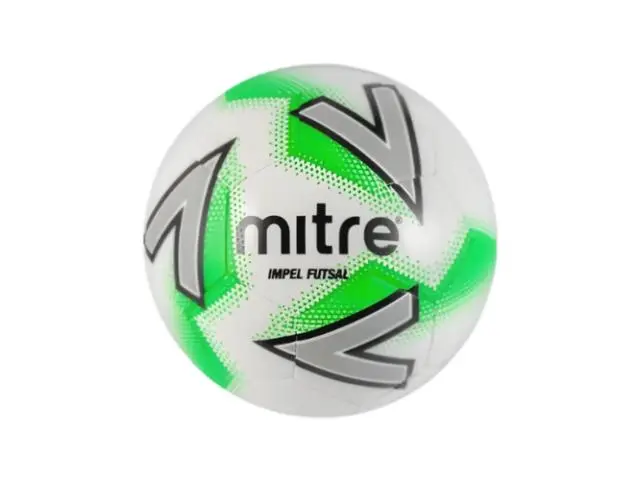
Best Soccer Balls in Australia

Best Soccer Balls in Australia

Check with seller
Football Equipment
1 month
Australia
New South Wales
3064 - Unit 7/10 Gladstone Road Castle Hill NSW 2154
13 views
ID: 350157
Published 1 month ago by Elitesports
Check with seller
In Football Equipment category
Unit 7/10 Gladstone Road Castle Hill NSW 2154, 3064 Sydney, New South Wales, Australia
Get directions →
13 item views
Best Soccer Balls in Australia in Sydney, New South Wales


Soccer balls are one of the most essential pieces of equipment for players at every level, from beginners to professionals. A high-quality ball can enhance performance, improve accuracy, and make both training sessions and competitive matches far more effective. With so many options available today, understanding what makes a soccer ball reliable, durable, and enjoyable to play with is important for players, coaches, and clubs. This guide highlights the key features to look for and explains why choosing the right soccer ball helps elevate any player’s game.

Understanding What Makes a Good Soccer Ball

A well-designed soccer ball should offer a perfect balance between durability, touch, and control. The first element to consider is the outer cover. Premium soccer balls are typically made with polyurethane (PU), known for delivering a softer, more responsive touch. This material enhances dribbling, passing, and shooting accuracy. On the other hand, training soccer balls often use PVC, which is more resistant to abrasion and built to withstand tough ground surfaces and heavy usage.

The bladder is another important factor. Soccer balls generally use either a latex bladder or a butyl bladder. Latex offers superior responsiveness and gives the ball a more natural feel, making it ideal for match play. Butyl bladders retain air for longer periods, making them more suitable for training sessions where durability and air retention matter more than softness.

Types of Soccer Balls

Soccer balls fall into three main categories: training balls, match balls, and professional match balls.
Training soccer balls are built to survive daily practice, rough fields, and repetitive drills. They maintain shape well and offer great longevity. Match soccer balls, however, are designed with higher-quality materials to deliver better accuracy, grip, and aerodynamics. For high-level tournaments, professional match balls—often approved by FIFA—are used. These balls are carefully engineered to ensure consistent flight, precision, and superior touch.

Choosing the Right Size

Soccer balls come in multiple sizes depending on the player’s age and skill level.

Size 3: Ideal for young children under 8.

Size 4: Suited for players aged 8 to 12.

Size 5: The official size used for adult and professional play.

Choosing the correct size not only promotes skill development but also improves comfort and safety during training sessions.

Why Quality Matters

Investing in a high-quality soccer ball can make a noticeable difference on the field. Players benefit from improved ball control, smoother passing, better dribbling accuracy, and a more consistent bounce. High-grade stitching or thermal bonding ensures the ball stays round and maintains its shape even after continuous use. A great soccer ball also enhances confidence, helping players perform at their best in both training and match environments.

Final Thoughts

Soccer balls are more than simple sports equipment—they are essential tools for improving performance, strengthening skills, and enjoying the game. Whether you are selecting a ball for school practice, club training, or competitive matches, choosing a well-constructed soccer ball ensures long-lasting durability and excellent playability. A good soccer ball helps every player, at any level, experience the game the way it is meant to be played: with control, precision, and confidence. Read more

Published on December 11, 2025. Modified on December 11, 2025.

Description

Best Soccer Balls in Australia in Sydney, New South Wales


Soccer balls are one of the most essential pieces of equipment for players at every level, from beginners to professionals. A high-quality ball can enhance performance, improve accuracy, and make both training sessions and competitive matches far more effective. With so many options available today, understanding what makes a soccer ball reliable, durable, and enjoyable to play with is important for players, coaches, and clubs. This guide highlights the key features to look for and explains why choosing the right soccer ball helps elevate any player’s game.

Understanding What Makes a Good Soccer Ball

A well-designed soccer ball should offer a perfect balance between durability, touch, and control. The first element to consider is the outer cover. Premium soccer balls are typically made with polyurethane (PU), known for delivering a softer, more responsive touch. This material enhances dribbling, passing, and shooting accuracy. On the other hand, training soccer balls often use PVC, which is more resistant to abrasion and built to withstand tough ground surfaces and heavy usage.

The bladder is another important factor. Soccer balls generally use either a latex bladder or a butyl bladder. Latex offers superior responsiveness and gives the ball a more natural feel, making it ideal for match play. Butyl bladders retain air for longer periods, making them more suitable for training sessions where durability and air retention matter more than softness.

Types of Soccer Balls

Soccer balls fall into three main categories: training balls, match balls, and professional match balls.
Training soccer balls are built to survive daily practice, rough fields, and repetitive drills. They maintain shape well and offer great longevity. Match soccer balls, however, are designed with higher-quality materials to deliver better accuracy, grip, and aerodynamics. For high-level tournaments, professional match balls—often approved by FIFA—are used. These balls are carefully engineered to ensure consistent flight, precision, and superior touch.

Choosing the Right Size

Soccer balls come in multiple sizes depending on the player’s age and skill level.

Size 3: Ideal for young children under 8.

Size 4: Suited for players aged 8 to 12.

Size 5: The official size used for adult and professional play.

Choosing the correct size not only promotes skill development but also improves comfort and safety during training sessions.

Why Quality Matters

Investing in a high-quality soccer ball can make a noticeable difference on the field. Players benefit from improved ball control, smoother passing, better dribbling accuracy, and a more consistent bounce. High-grade stitching or thermal bonding ensures the ball stays round and maintains its shape even after continuous use. A great soccer ball also enhances confidence, helping players perform at their best in both training and match environments.

Final Thoughts

Soccer balls are more than simple sports equipment—they are essential tools for improving performance, strengthening skills, and enjoying the game. Whether you are selecting a ball for school practice, club training, or competitive matches, choosing a well-constructed soccer ball ensures long-lasting durability and excellent playability. A good soccer ball helps every player, at any level, experience the game the way it is meant to be played: with control, precision, and confidence.

Meet the seller

Elitesports
1 active listings
Personal seller
Last online 1 month ago
Registered for 1 month

Comments (0)

No comments has been added yet
Call Sms Send message
Want to Join our AU Classifieds community? Create a FREE account