Top Design Considerations for Building NDIS Robust Homes

Top Design Considerations for Building NDIS Robust Homes

Free
Health - Beauty - Fitness
3 months
Australia
New South Wales
Blacktown Get directions →
12 views
ID: 341455
Published 3 months ago by PHomecare
Free
Blacktown, New South Wales, Australia
Get directions →
12 item views
Top Design Considerations for Building NDIS Robust Homes in Blacktown, New South Wales


At P Home Care, we understand the importance of creating homes that are safe, comfortable, and accessible for people with disabilities. NDIS robust housing is designed to support the needs of individuals who require additional assistance, ensuring independence and a high quality of life. If you are planning to build or modify a home under the NDIS framework, here are the top design considerations to keep in mind.

1. Accessibility
Accessibility is the cornerstone of ndis robust housing. Homes should have wide doorways, ramps, and step-free entrances to allow easy movement for wheelchairs and walking aids. Hallways and rooms must be spacious enough to navigate comfortably without obstacles.

2. Safety Features
Safety is critical in ndis robust housing. Installing non-slip flooring, grab rails in bathrooms, and emergency call systems can prevent accidents. Smoke detectors, proper lighting, and secure windows and doors are also essential for the safety of residents.

3. Functional Bathrooms and Kitchens
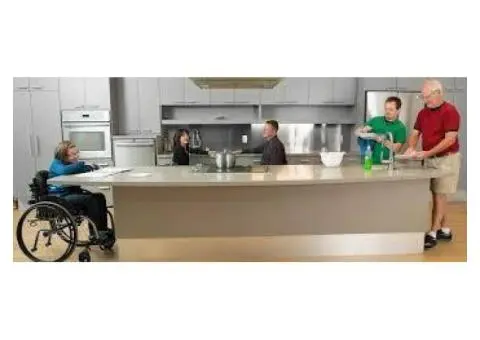
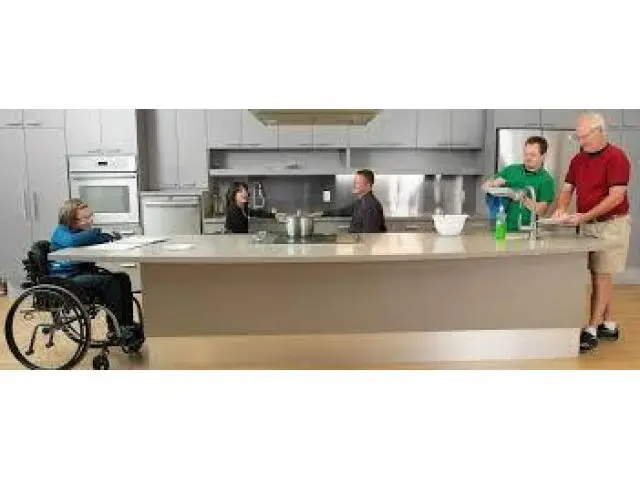
Bathrooms and kitchens should be designed with functionality in mind. Adjustable countertops, accessible sinks, and roll-in showers make daily tasks easier for residents. These spaces should prioritize both safety and convenience, reducing the need for additional support.

4. Flexible Layouts
Flexibility in home design ensures that the property can adapt to changing needs. Open-plan living areas, adjustable shelving, and modular furniture are features that enhance usability over time. In ndis robust housing, flexibility is key to long-term comfort and independence.

5. Smart Technology Integration
Incorporating smart home technology can greatly improve quality of life. Voice-activated controls, automated lighting, and door systems help residents manage daily tasks with minimal assistance. Modern technology is increasingly a part of ndis robust housing solutions.

6. Outdoor Accessibility
Outdoor spaces should also be accessible. Paths, gardens, and patios must be wheelchair-friendly and safe to navigate. Well-planned outdoor areas contribute to overall wellbeing and offer opportunities for recreation.

Building ndis robust housing requires careful planning and attention to detail. At P Home Care, we guide families and individuals through the process of creating homes that are not only compliant with NDIS standards but also comfortable, safe, and supportive for residents.

Investing in thoughtful design today ensures a future where independence and quality of life are maintained for all residents.

Learn More: https://www.phomecare.com.au/2025/06/18/ndis-sda-robust-housing/ Read more

Published on October 22, 2025

Description

Top Design Considerations for Building NDIS Robust Homes in Blacktown, New South Wales


At P Home Care, we understand the importance of creating homes that are safe, comfortable, and accessible for people with disabilities. NDIS robust housing is designed to support the needs of individuals who require additional assistance, ensuring independence and a high quality of life. If you are planning to build or modify a home under the NDIS framework, here are the top design considerations to keep in mind.

1. Accessibility
Accessibility is the cornerstone of ndis robust housing. Homes should have wide doorways, ramps, and step-free entrances to allow easy movement for wheelchairs and walking aids. Hallways and rooms must be spacious enough to navigate comfortably without obstacles.

2. Safety Features
Safety is critical in ndis robust housing. Installing non-slip flooring, grab rails in bathrooms, and emergency call systems can prevent accidents. Smoke detectors, proper lighting, and secure windows and doors are also essential for the safety of residents.

3. Functional Bathrooms and Kitchens
Bathrooms and kitchens should be designed with functionality in mind. Adjustable countertops, accessible sinks, and roll-in showers make daily tasks easier for residents. These spaces should prioritize both safety and convenience, reducing the need for additional support.

4. Flexible Layouts
Flexibility in home design ensures that the property can adapt to changing needs. Open-plan living areas, adjustable shelving, and modular furniture are features that enhance usability over time. In ndis robust housing, flexibility is key to long-term comfort and independence.

5. Smart Technology Integration
Incorporating smart home technology can greatly improve quality of life. Voice-activated controls, automated lighting, and door systems help residents manage daily tasks with minimal assistance. Modern technology is increasingly a part of ndis robust housing solutions.

6. Outdoor Accessibility
Outdoor spaces should also be accessible. Paths, gardens, and patios must be wheelchair-friendly and safe to navigate. Well-planned outdoor areas contribute to overall wellbeing and offer opportunities for recreation.

Building ndis robust housing requires careful planning and attention to detail. At P Home Care, we guide families and individuals through the process of creating homes that are not only compliant with NDIS standards but also comfortable, safe, and supportive for residents.

Investing in thoughtful design today ensures a future where independence and quality of life are maintained for all residents.

Learn More: https://www.phomecare.com.au/2025/06/18/ndis-sda-robust-housing/

Meet the seller

PHomecare
78 active listings
Personal seller
Last online 4 days ago
Registered for 1 year

Comments (0)

No comments has been added yet
Last online 4 days ago
Send message
Want to Join our AU Classifieds community? Create a FREE account