The Benefits of Medium-Term Accommodation for NDIS Participants in Albury, New South Wales
The National Disability Insurance Scheme (NDIS) is designed to support individuals with disabilities by offering services that promote independence, inclusion, and improved quality of life. One essential aspect of this support is medium-term accommodation (MTA), which serves as a temporary housing solution for participants who are awaiting permanent arrangements. MTA plays a crucial role in ensuring stability, security, and accessibility, making it a valuable option for individuals requiring structured and supported living.
Understanding Medium-Term Accommodation
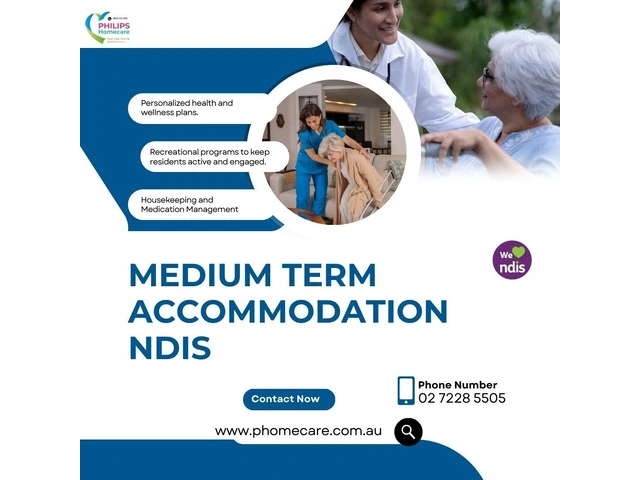
Medium-term accommodation provides NDIS participants with a safe and supportive living environment for up to 90 days. It is typically utilized when a participant is transitioning between housing situations, such as moving from hospital care to permanent accommodation or waiting for Specialist Disability Accommodation (SDA) approvals. During their stay, participants receive daily living disability services, ensuring their personal care, mobility needs, and essential activities are well-supported.
Key Benefits of Medium-Term Accommodation
1. Stability and Security
Many NDIS participants experience uncertainty in their housing arrangements. MTA helps bridge gaps in accommodation by offering a stable living space where they can feel secure and supported. This stability is particularly beneficial for individuals with complex needs who require continuity in their care and services.
2. Access to Daily Living Disability Services
One of the significant advantages of medium-term accommodation is the provision of daily living disability services. These services ensure that participants receive assistance with personal care, meal preparation, mobility support, and social engagement. Access to professional care helps individuals maintain their well-being and independence while waiting for a permanent housing solution.
3. Smooth Transition to Long-Term Housing
The transition from temporary to permanent accommodation can be challenging. MTA offers participants a structured environment where they can gradually adapt to a more independent lifestyle. With the help of daily living disability services, they can develop essential life skills that prepare them for long-term housing arrangements.
4. Improved Health and Well-being
For individuals with disabilities, maintaining physical and mental well-being is crucial. Medium-term accommodation ensures that participants have access to necessary medical and therapeutic support. Assistance with medication management, mobility aids, and personal care contributes to a better quality of life and prevents deterioration of health conditions.
5. Personalized Support and Independence
MTA allows participants to receive tailored support based on their unique needs. With daily living disability services, individuals can engage in activities that promote independence, such as meal preparation, housekeeping, and social outings. This personalized assistance empowers participants to enhance their self-sufficiency in a supportive environment.
6. Access to Social and Community Engagement
Isolation can be a significant challenge for individuals with disabilities. Medium-term accommodation encourages social interaction by providing opportunities for community participation, group activities, and peer support. Engaging in social activities fosters a sense of belonging and enhances mental well-being.
7. Reduced Stress for Families and Caregivers
Families and caregivers often play a crucial role in supporting individuals with disabilities. However, caregiving can be physically and emotionally demanding. MTA provides temporary relief for caregivers, ensuring their loved ones receive professional care through daily living disability services. This temporary arrangement allows caregivers to rest and manage other responsibilities while knowing their family member is in a safe environment.
8. Flexible and Accessible Living Arrangements
Medium-term accommodation is designed to cater to various disability needs. These accommodations are often equipped with accessibility features such as wheelchair ramps, modified bathrooms, and emergency response systems. This ensures that participants receive appropriate support tailored to their mobility and care requirements.
9. Preparation for Independent Living
For NDIS participants aiming to live independently, MTA serves as a valuable stepping stone. With structured support, they can practice daily routines, learn self-care skills, and gain confidence in managing their living environment. Daily living disability services help individuals establish routines that align with their future independent housing goals.
Conclusion
Medium-term accommodation plays a critical role in the NDIS framework, providing participants with stability, security, and access to essential services. By ensuring continuity in care and offering daily living disability services, MTA enhances the overall well-being of individuals with disabilities. It serves as a crucial transition phase, allowing participants to develop the skills and confidence needed for permanent accommodation. As an essential component of disability support, MTA significantly improves the quality of life for individuals, helping them achieve greater independence and community engagement.
Learn More: https://www.phomecare.com.au/2022/01/18/medium-term-accommodation-in-australia/










 Welcome!